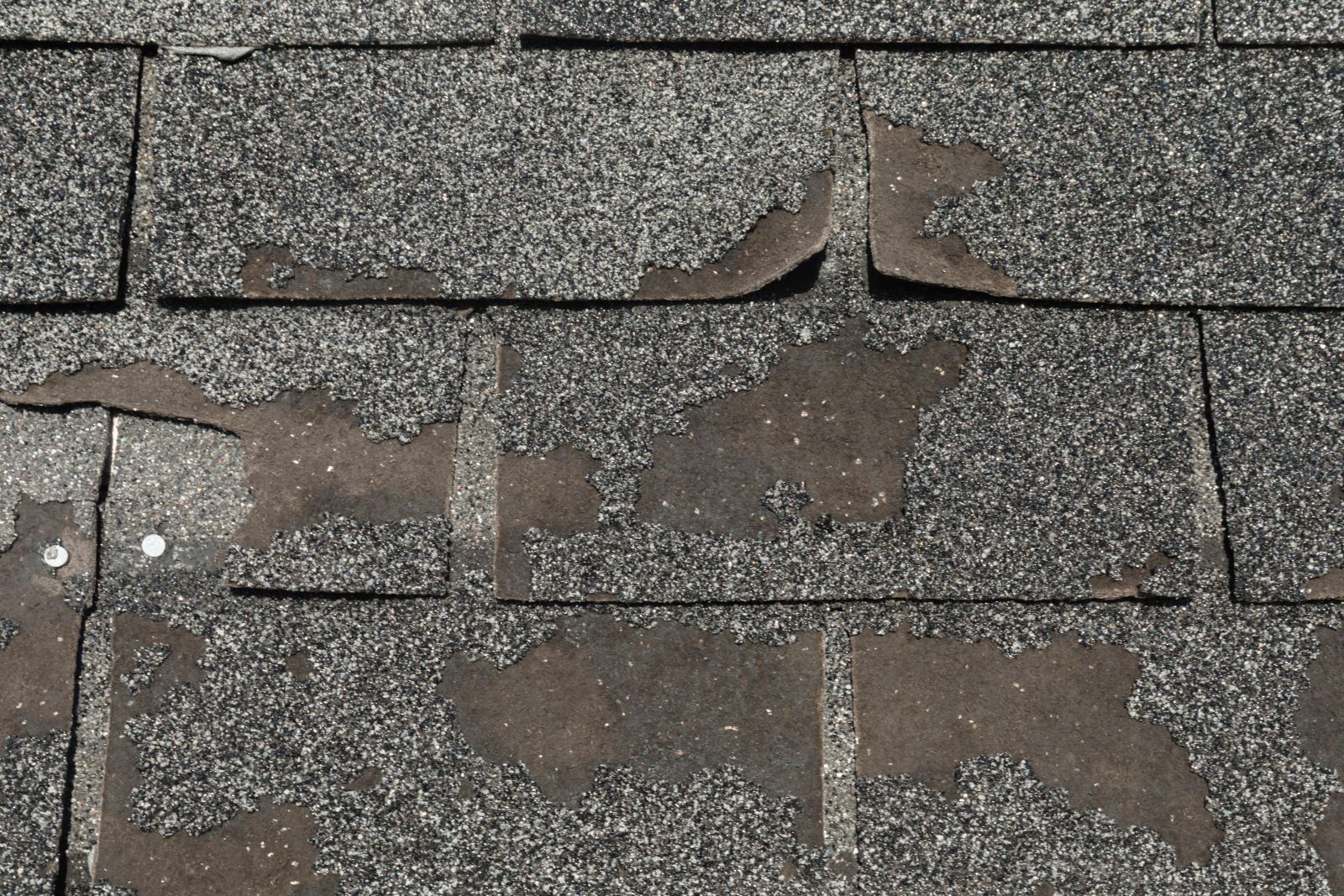


Do I need a new roof? - Key Danger Signs
What roof damage looks like and how to determine if you need a roof repair or replacement.
Request An Estimate arrow_right_altRepair or Replace
If your roof isn't ancient and you spot a few loose or damaged shingles, you may be able to replace them. But for broader damage, it may be time for a new roof. The key is a regular roof inspection, so you know what's going on up there.
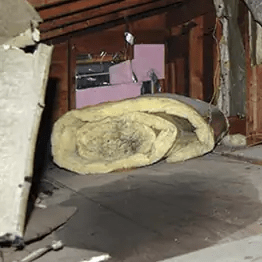
Attic Leaks
Check your attic after severe weather. A leak could mean some shingles are damaged, the underlayment, a protective barrier between your shingles and the plywood of your roof, has failed, or flashing, the material that seals joints on your roof, has deteriorated.
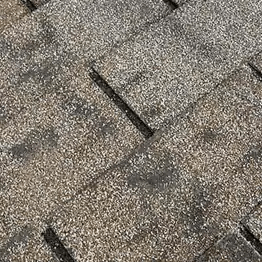
Dark Streaks
It may look like dirt, but dark stains on your shingles may be moss, lichen, or blue-green algae. This may not require a new roof, but if and when you do replace your shingles, ask for StainGuard and StainGuard Plus protection, which are available on many GAF shingles.
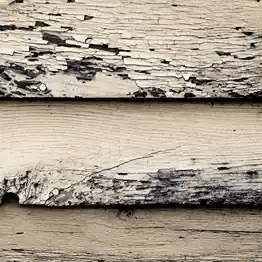
Blistering or peeling paint
Poor ventilation may trap moisture in your house, leading to exterior paint peeling and blistering.
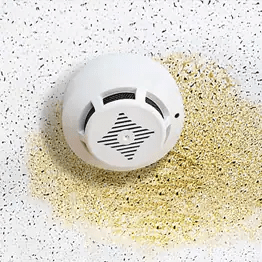
Ceiling and wall stains
Leaks from outside the house or moisture trapped inside it can cause stains and possibly mold or mildew.
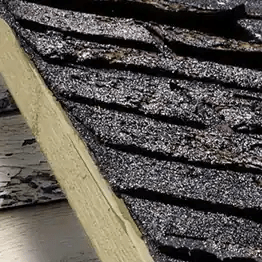
Sheathing decay
Another issue with poor ventilation and moisture in your roofing layers is the decay of sheathing, also called decking, which is the layer of plywood that forms the foundation of your roof. If you notice sagging ceilings, broken gutters, leaks, or missing shingles, your sheathing may be damaged.
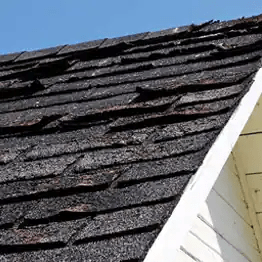
Shingle damage
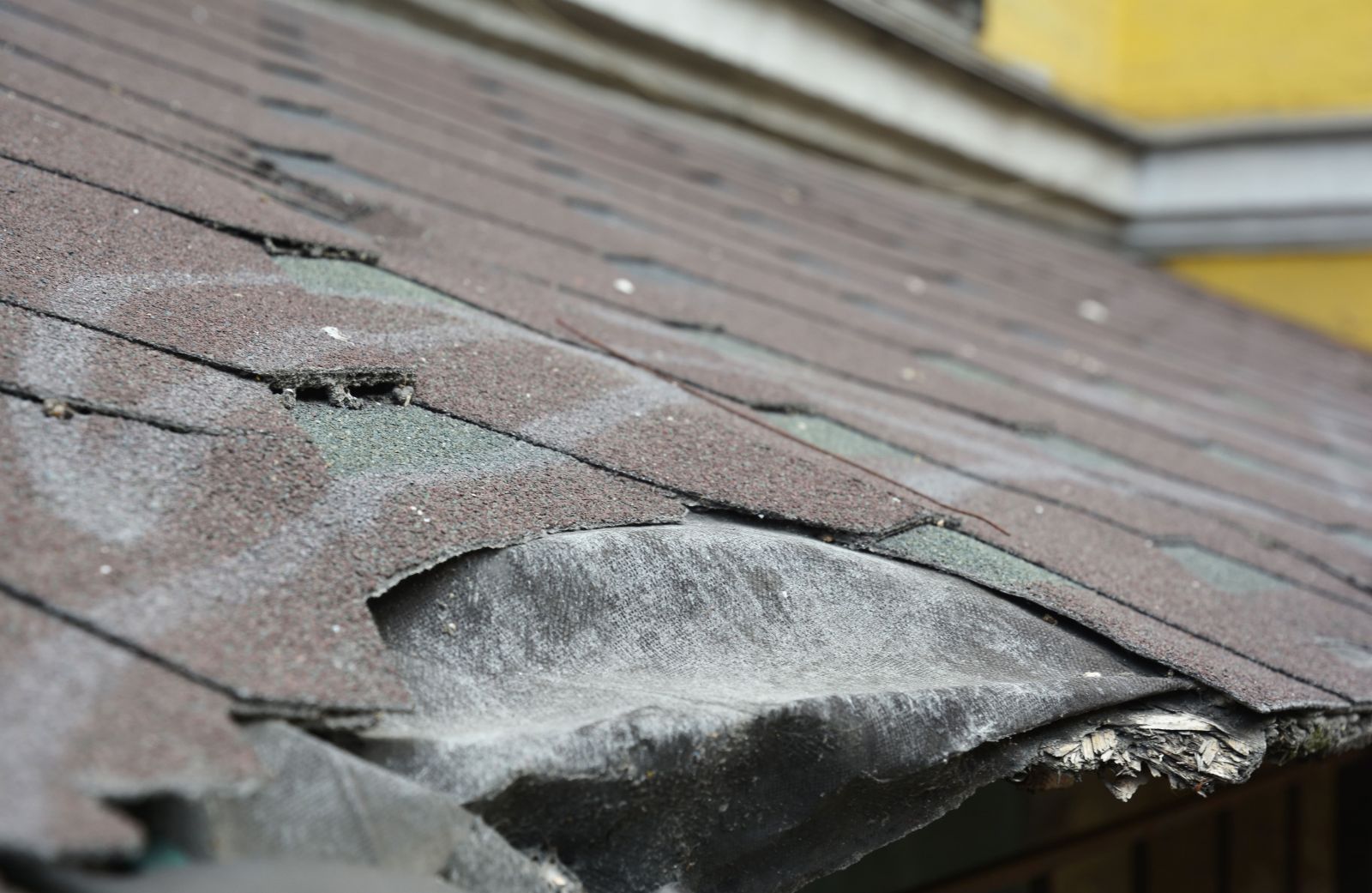
When shingles reach the end of their useful life, you may notice they fall off or become cracked, brittle, or curled, which means it may be time for a new roof.
Essential Tips for Keeping Your Roof in Top Shape
- Understand Your Roof's Age: Knowing the age of your roof can make a big difference in its maintenance. If you didn't install it and you're unsure, take a look at the inspection report from when you bought your home, or reach out to a roofing expert or building inspector who can help you assess its age and condition.
- Perform Inspections Twice a Year: Make it a point to check your roof every spring and fall. Grab a ladder and take a closer look for any trouble spots. Remember to check your attic for signs of damage, too! If climbing up isn't your thing, don't hesitate to contact Lake City Roofing for a thorough professional inspection.
- Keep an Eye on Neighborhood Trends: Your neighbors are likely facing similar weather conditions. They might have roofs that were installed around the same time. If they're getting new roofs, it's a great opportunity to evaluate your own and see if it's time to consider an upgrade.
- Inspect After Severe Weather: After intense weather incidents, like heavy winds or hail, take the time to safely check your roof for any damage. Staying proactive will help you tackle issues before they become major concerns. By following these tips, you'll ensure your roof remains strong and dependable for years to come!
How to do a roof inspection
Start inside
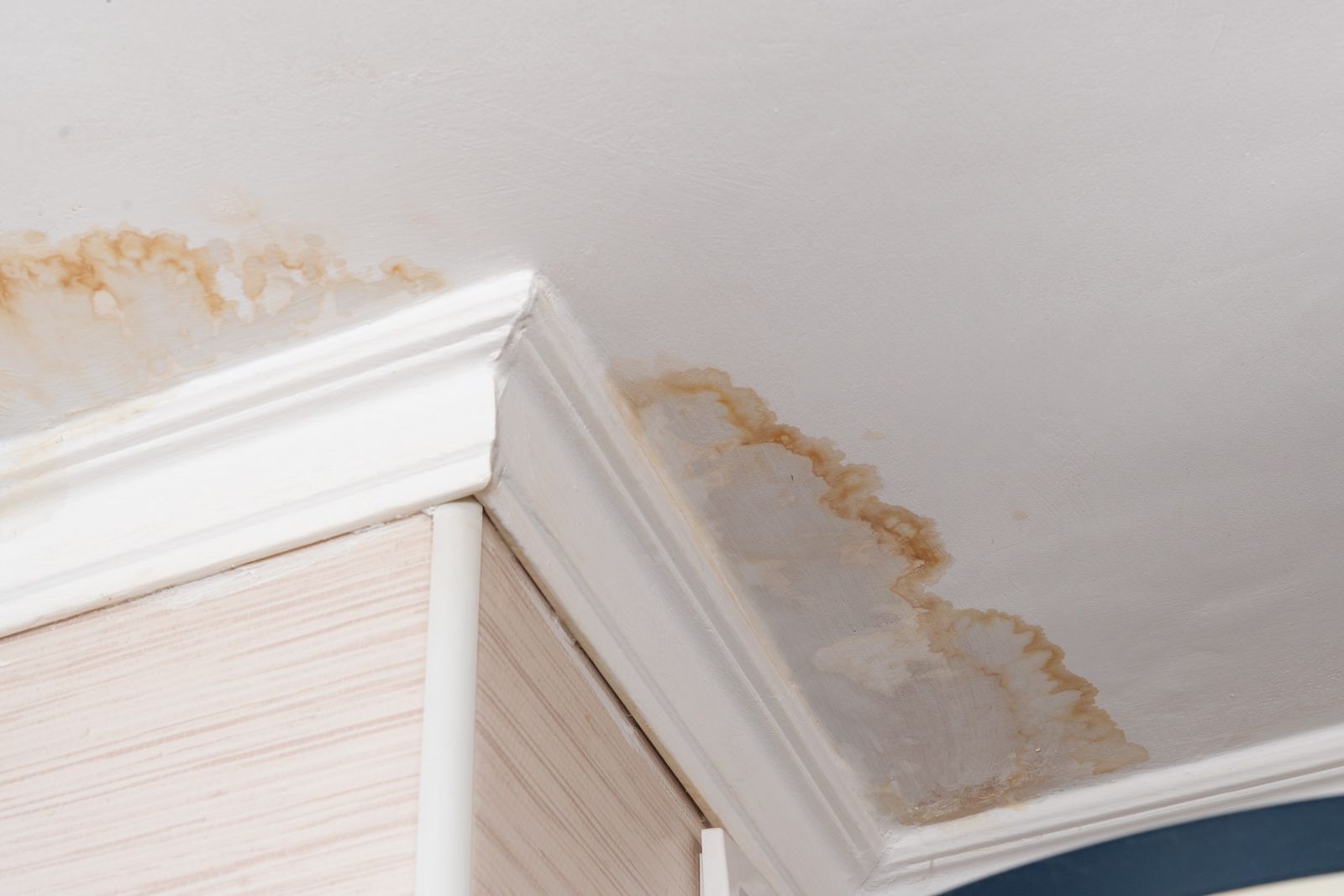
Kick off your inspection indoors with a keen eye for yellow or brown stains on the ceilings; these could signal water leaks. Keep an eye out for any mold or mildew patches and check your windows for condensation, rotting, or peeling paint all important clues of water damage!
Inside continued: attic
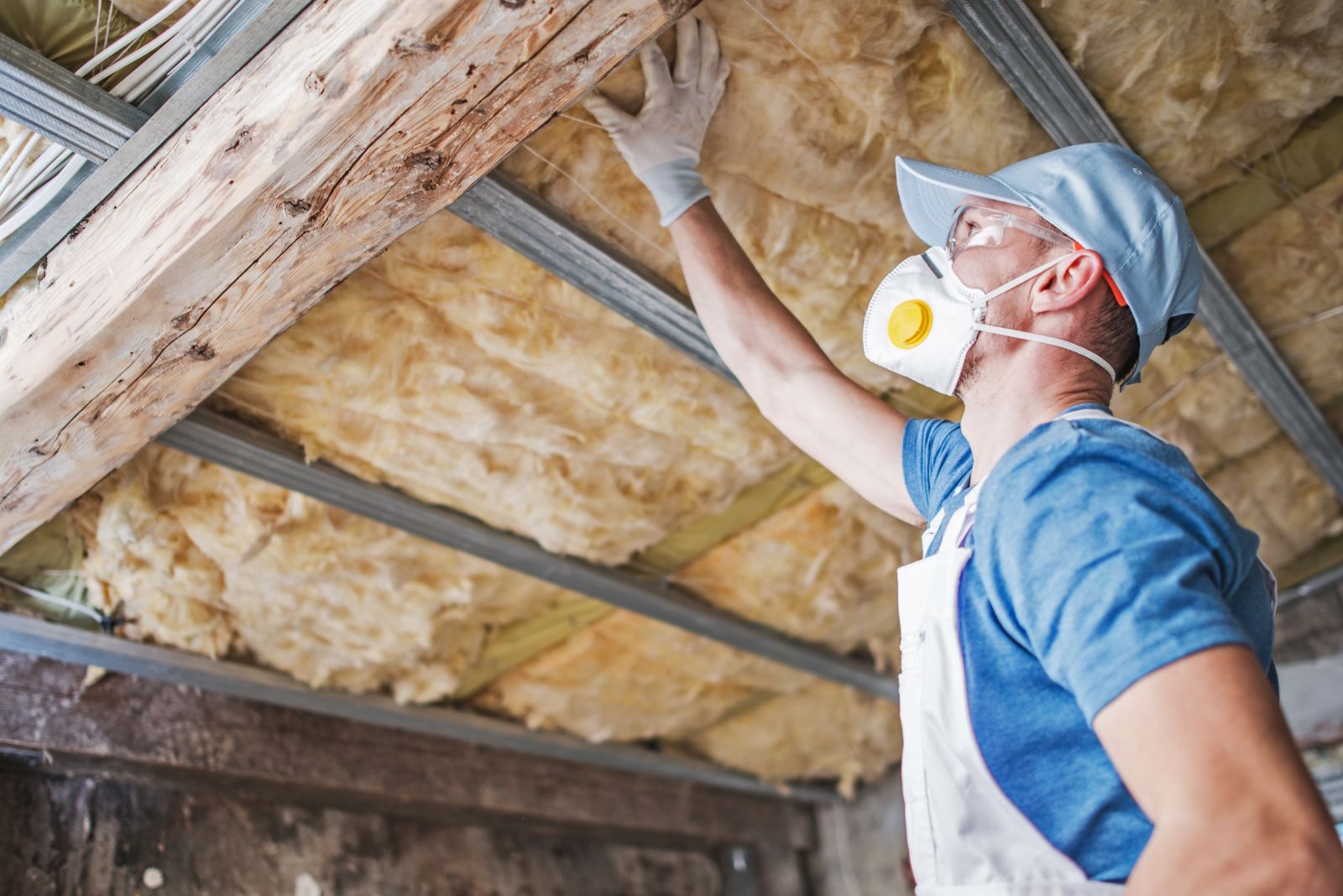
Embark into the attic and look for dark spots on beams and sheathing that may indicate moisture issues, as well as any holes or gaps in the roof. Be sure to note any sagging sheathing, as it may indicate serious concerns.
Step outside
If you're feeling adventurous and confident on a ladder, it's a fantastic way to get an up-close look at your roof. But no worries if heights aren't your thing; you can still conduct a thorough inspection from the ground using binoculars.
Start by clearing leaves and debris from your gutters and downspouts - this not only helps with water flow but also allows you to spot any sagging or leaks. Don't forget to check those hidden areas! Inspect the underside of eaves, fascia, and the boards connecting your roof to the walls for any signs of rot or pesky critters.
Head to the street
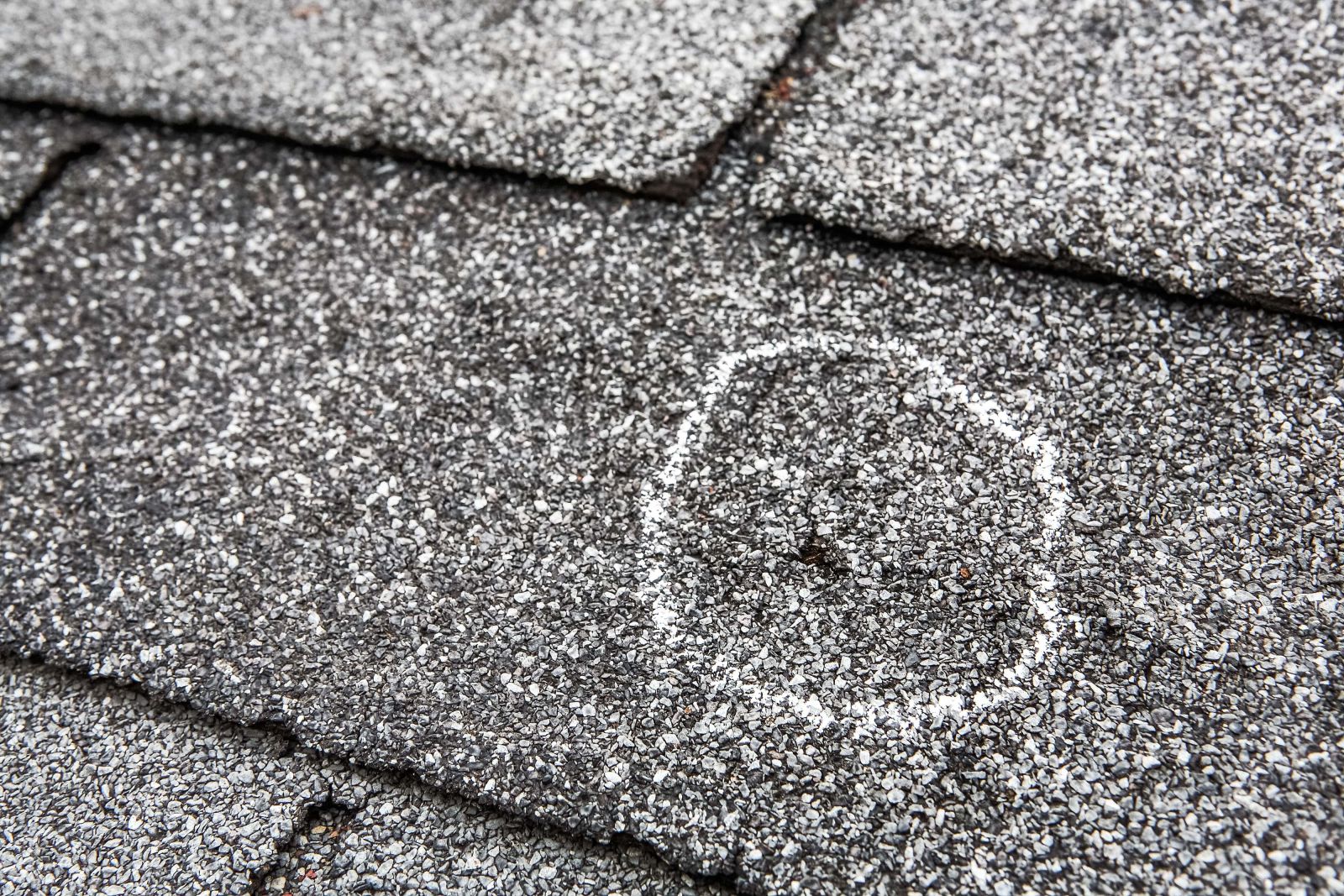
Your roof's condition can often be spotted from this distance, so keep an eye out for dark spots, missing shingles, or sagging areas. If it's winter, watch for any ice dams forming at the edge of your roof, as they can lead to leaks if water can't drain properly.
Examine the roof
Look for any cracked, torn, or missing shingles - a little attention here can save you big headaches later. Check that nails are secure, seams are tight, and that your vents are clear. Lastly, ensure all pipes, chimneys, and skylights are well-sealed, and that flashing is intact so water is kept at bay. With these steps, you'll have a solid grip on your roof's condition and peace of mind for the seasons ahead!